Anxiety often shows up in both body and mind — racing thoughts, tense muscles, shallow breathing. Yoga therapy provides a holistic approach to easing these symptoms, combining movement, breathwork, and mindfulness practices. Instead of focusing only on fitness or flexibility, it helps restore balance to your nervous system and overall well-being.
Unlike a general yoga class, yoga therapy is tailored to individual needs. Sessions are designed to address specific mental or physical health challenges, meaning the practice becomes more accessible and supportive. For anxiety, that could mean restorative postures, calming breathwork, or guided relaxation to bring steadiness back into your daily life.
What Is Yoga Therapy?
Yoga therapy adapts traditional yoga into a therapeutic setting. Its goal isn’t to push your limits but to support healing and resilience. Sessions typically involve a combination of postures, breathing techniques, mindfulness, and relaxation strategies chosen for your personal situation.
Because it works with the whole person, yoga therapy can be helpful for a wide range of conditions, from back pain to stress, trauma recovery, or sleep issues. When applied to anxiety, it aims to release physical tension, regulate the stress response, and build inner calm that extends beyond the mat.
How Yoga Therapy Helps Anxiety
Anxiety can trigger a constant “fight or flight” response, leaving your body tense and your thoughts unsettled. Yoga therapy counters this by activating the body’s natural relaxation system. Gentle movements reduce muscle tightness, while focused breathing slows the heart rate and lowers stress hormones.
At the same time, mindful awareness helps to shift attention away from cycles of worry. By practising presence, such as noticing breath, movement, or sensations, yoga therapy interrupts anxious thought patterns and supports a calmer state of mind. Over time, this can increase resilience and create healthier coping mechanisms.
Common Yoga Therapy Practices for Anxiety
Yoga therapy offers a range of calming techniques designed to meet anxiety where it lives in the body and mind. Instead of striving for physical achievement, these practices focus on rest, breath, and awareness. Each one gently supports relaxation, helping you build resilience and a sense of steadiness in daily life.
Gentle Postures
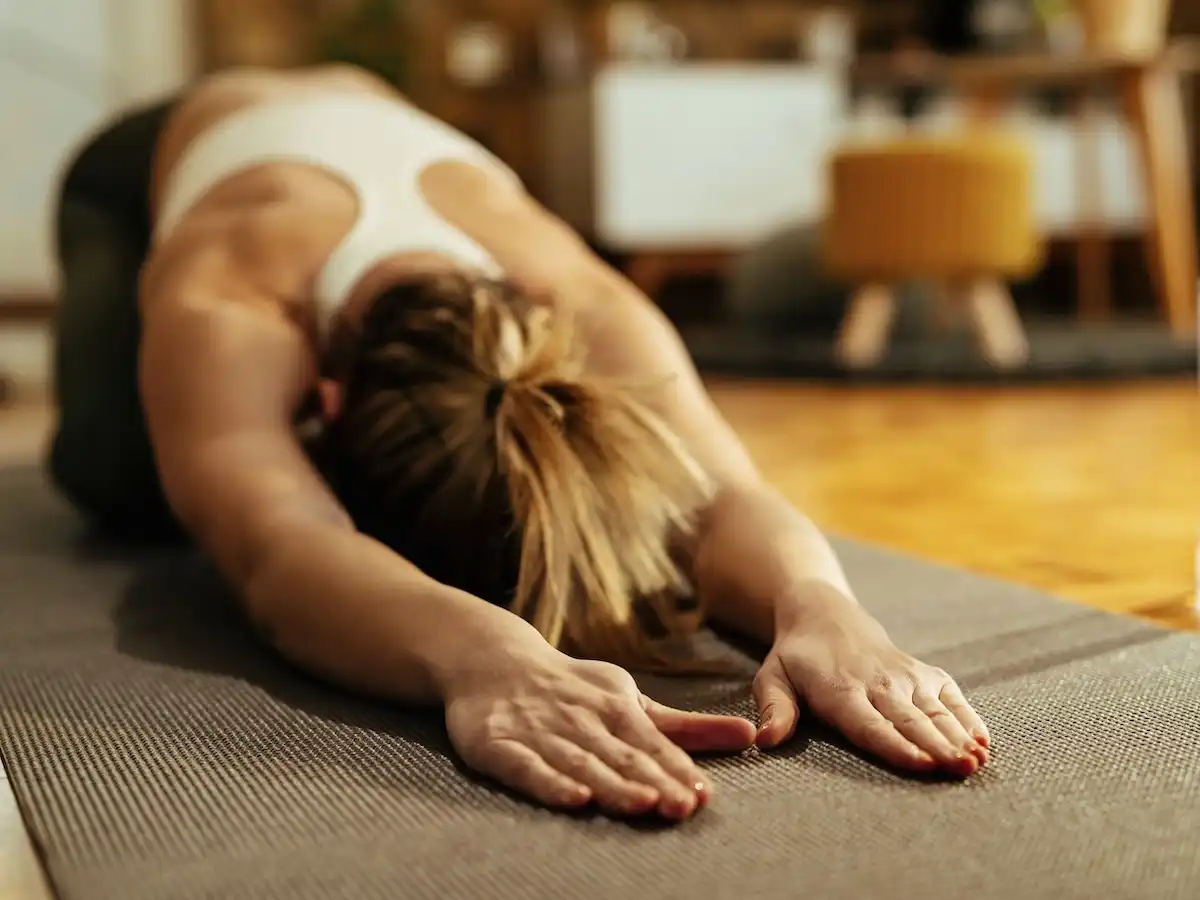
Restorative postures encourage the body to let go of tension and create a sense of safety. Positions like Child’s Pose, Legs Up the Wall, or supported forward bends are often chosen for anxiety because they are grounding and calming. Props such as blankets or bolsters can make these poses even more supportive.
These postures aren’t about building strength or flexibility; they’re about relaxation. By holding them for several minutes with steady breathing, you give your nervous system time to shift into a calmer state, helping to release anxiety stored in the body.
Breathwork (Pranayama)
Breathing techniques are central to yoga therapy. Anxiety often leads to rapid, shallow breathing, which can make symptoms worse. Pranayama practices, such as diaphragmatic breathing or alternate nostril breathing, encourage slow, steady breaths that soothe the nervous system.
As the body learns to associate deep breathing with safety, you may notice improvements beyond the practice itself. Daily moments of stress become easier to manage because you have a reliable, calming tool available at any time.
Guided Relaxation
Yoga therapy often ends with guided relaxation practices, such as a body scan or Yoga Nidra (yogic sleep). These techniques help quiet the mind and bring awareness back into the body, reducing stress and improving emotional balance.
For those with anxiety, guided relaxation can be especially powerful because it provides structure and reassurance. Instead of sitting in silence, you’re gently guided into rest, making it easier to stay present without becoming overwhelmed by racing thoughts.
Professional Yoga Therapy
Working with a certified yoga therapist offers support that goes beyond a standard class. Sessions are usually one-to-one or in small groups, with practices adapted to your health history, lifestyle, and personal challenges. This personalised approach can be especially helpful if anxiety has physical symptoms, such as muscle tension, fatigue, or headaches.
In the UK, therapists are often registered with the British Council for Yoga Therapy. In the US, the International Association of Yoga Therapists provides a directory of accredited professionals. Many offer online sessions, giving you flexible access to support no matter where you are.
Simple At-Home Yoga Routine for Anxiety
While professional guidance is ideal, you can try short, calming practices on your own to ease anxious moments. Consistency matters more than duration. Even 10–15 minutes a day can shift how your body and mind respond to stress. Here’s a simple three-step sequence you can begin with:
Legs-Up-the-Wall (Viparita Karani): This simple restorative pose encourages blood flow back toward the heart and activates the body’s relaxation response. It’s especially helpful at the end of a stressful day, calming both the nervous system and the mind.
Child’s Pose (Balasana): A grounding posture that gently stretches the back and hips while giving a sense of safety. Focusing on slow, steady breathing in this pose helps release tension and quiet racing thoughts.
Alternate Nostril Breathing (Nadi Shodhana): A breathing technique that balances the left and right sides of the brain, promoting emotional stability. Just a few minutes of this pranayama can bring clarity and reduce feelings of overwhelm.
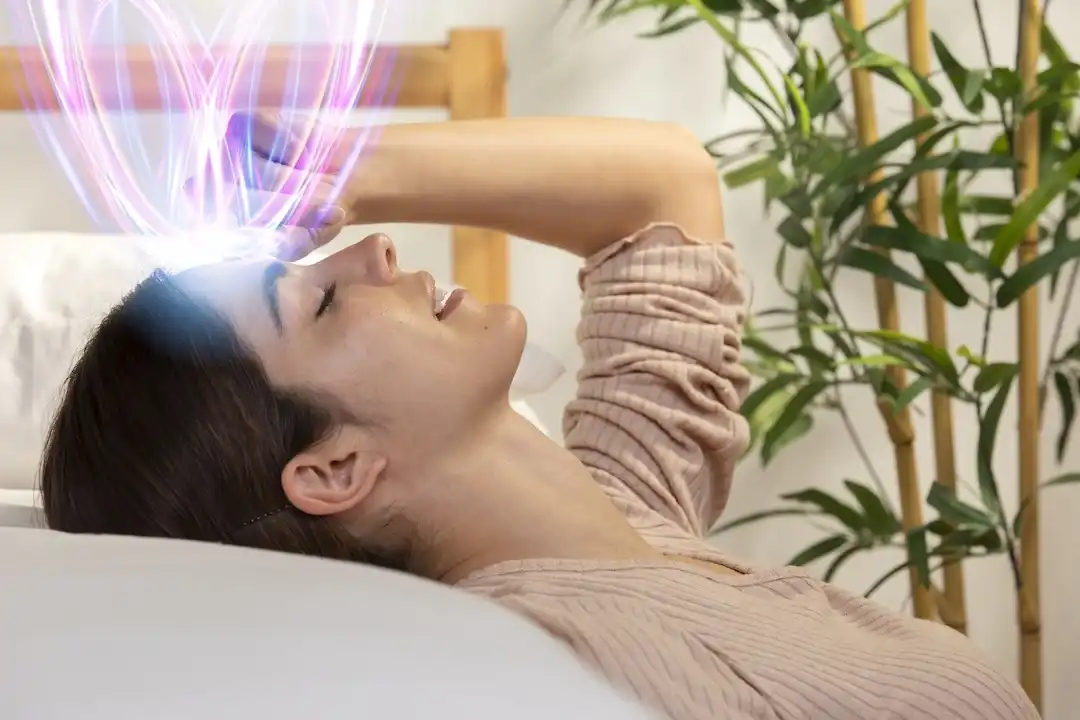
Body Scan Meditation: Lying comfortably, you move attention slowly through each part of the body, noticing tension and letting it soften. This mindful practice builds awareness and helps you reconnect with your physical state when anxiety feels overwhelming.
Guided Relaxation (Yoga Nidra): Sometimes called “yogic sleep,” this deep relaxation practice guides you through rest while staying conscious. Regular sessions are shown to improve sleep and reduce stress hormones linked to anxiety.
Gentle Flow Sequences: A short series of slow, flowing postures — such as cat-cow, forward folds, and seated twists — can ease physical restlessness while encouraging steady breathing and focus.
Bringing Yoga Therapy Into Daily Life
Yoga therapy is more than exercise – it’s a way to connect body, mind, and breath to restore calm. Whether you work with a therapist or build a home practice, these techniques offer gentle, lasting support for anxiety.
With regular practice, yoga therapy can become a valuable part of your well-being toolkit, helping you move through anxious moments with greater ease, balance, and confidence.
Frequently Asked Questions on Yoga Therapy for Anxiety
Is Yoga Therapy the Same as a Regular Yoga Class?
Not quite. A yoga class usually focuses on fitness or flexibility, while yoga therapy is tailored to your mental and physical well-being. It often involves gentler poses, breathwork, and mindfulness techniques designed specifically to reduce anxiety.
Can Yoga Therapy Really Help with Anxiety?
Yes. Research shows yoga therapy can reduce stress hormones, calm the nervous system, and improve emotional balance. It’s not a quick fix, but regular practice can ease anxious thoughts and help you feel more grounded over time.
How Often Should I Practise Yoga Therapy for Anxiety?
Consistency matters more than duration. Even 10-15 minutes a day can make a difference. Many people find practising two to three times a week helps maintain calm, while daily practice can create deeper, long-lasting benefits.
Do I Need to be Flexible to Try Yoga Therapy?
Not at all. Yoga therapy is about calming the mind and supporting your well-being, not touching your toes. Many practices involve simple, restorative poses that anyone can do, regardless of fitness or flexibility.
Can I Combine Yoga Therapy with Other Anxiety Treatments?
Absolutely. Yoga therapy works well alongside talking therapies, medication, or other holistic practices. Think of it as one part of a wider support plan, helping you manage anxiety through both body and mind.
Is Yoga Therapy Safe for Everyone?
In most cases, yes. But if you have health conditions, injuries, or are pregnant, it’s best to consult a healthcare professional or a qualified yoga therapist first. They can adapt practices to suit your needs safely.